Оставить сообщение
Если вас заинтересовала наша продукция и вы хотите узнать больше подробностей, пожалуйста, оставьте сообщение здесь, мы ответим вам как можно скорее.

Пигменты для эпоксидных смол, используемых в художественных и ремесленных работах.
Эпоксидная смола в последние годы стала одним из самых универсальных материалов для рукоделия и искусства — её используют во всём: от столов-рек и литья ювелирных изделий до настенных панно, подносов и декоративных жеод. Эта смола прозрачна, самовыравнивается и химически инертна после отверждения, что делает её отличным носителем для широкого спектра красителей. Но не каждый пигмент хорошо себя зарекомендовал. Сочетание высокой вязкости (до отверждения), длительного времени открытой выдержки, экзотермических реакций отверждения и окончательной прозрачности поверхности создаёт серьёзные проблемы при составлении рецептуры, которые стоит понять, прежде чем начинать смешивать.
На этой странице рассматривается то, что действительно работает при выборе и использовании.пигменты для работы с эпоксидной смолой— в том числе, какие типы пигментов лучше всего подходят для данной среды, как они ведут себя в процессе обработки и где существуют компромиссы.
Эпоксидная смола, используемая в искусстве и ремеслах, обычно представляет собой двухкомпонентную систему: смолу на основе бисфенола-А и аминный или циклоалифатический отвердитель. Рабочая вязкость до отверждения колеблется от 500 до 3000 сП в зависимости от состава. Это дает вам рабочий промежуток — обычно от 20 до 45 минут — в течение которого пигменты должны полностью диспергироваться.
В отличие от покрытий на основе растворителей, здесь отверждение не зависит от испарения. Реакция полимеризации выделяет тепло, и в более толстых слоях этот экзотермический эффект может быть значительным. Некоторые пигменты — особенно те, которые содержат органические красители или чувствительные к растворителям носители — могут демонстрировать изменение цвета или миграцию в таких условиях. Это одна из причин, почему обработанные поверхностью неорганические пигменты, как правило, превосходят красители на основе растворителей в эпоксидных покрытиях для глубоких заливок.
Диспергирование обычно осуществляется путем ручного смешивания или с помощью низкоскоростного смесителя перед добавлением в смесь смолы и отвердителя. Мелкодисперсные пигменты (менее 25 мкм) обычно диспергируются легче и снижают риск образования видимых агломератов в прозрачной матрице. Более крупные блестки и хлопья добавляются после смешивания и намеренно остаются частично подвижными для достижения слоистых или плавающих эффектов — это особенность, а не недостаток.
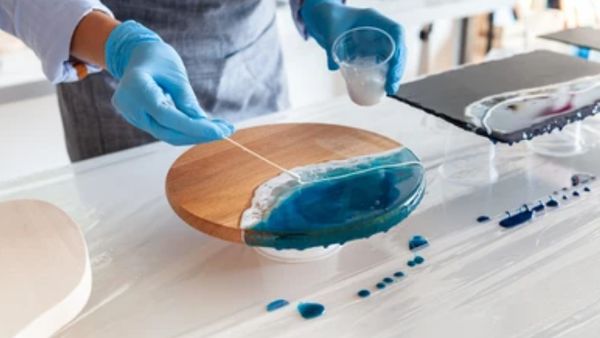
Диапазон эффектов, достигаемых с помощью эпоксидных смол, широк, и различные типы пигментов служат совершенно разным целям. Ниже приводится практическое описание:
| Тип пигмента | Эффект / Вариант использования | Примечания |
|---|---|---|
| Перламутровые/слюдяные (например, серии KT 100–500) | Металлический блеск, перламутровое сияние, интерференционные цвета | Наиболее часто используется в скульптурах из смолы; обладает отличной совместимостью, практически не растекается. |
| Хамелеон / Изменение цвета (KT Chameleon, Chromashift, Chromaflakes) | Угловое смещение цвета | Хорошо подходит для тонких заливок и поверхностных слоев; важна ориентация. |
| Голографические пигменты / Блестки | Радужное мерцание, призматическое рассеивание | Блестки на основе ПЭТ хорошо держатся на поверхности; голографические пигменты распределяются более равномерно. |
| Флуоресцентные пигменты | Насыщенный цвет, реагирует на УФ-излучение | Предпочтительны марки смолы, совместимые с полимером; проверьте на чувствительность к аминам. |
| Светящийся в темноте | Фотолюминесцентный эффект после воздействия ультрафиолетового излучения/дневного света | Для обеспечения видимого свечения требуется адекватная загрузка (обычно 5–15%). |
| Термохромные пигменты | Изменение цвета, активируемое температурой | Используйте в системах с низким уровнем экзотермичности; реакции при высокой температуре заливки могут повлиять на цветопередачу. |
| Алюминиевые порошки / Зеркальные хлопья | Зеркальная полировка, металлический блеск | Высокая визуальная привлекательность; поведение при плавании или осаждении зависит от размера частиц. |
| Блестки (обычные, специальной формы, биоразлагаемые) | Декоративный блеск, акценты в форме. | Добавляется после смешивания; фигурные блестки (звездочки, сердечки) часто используются в верхних слоях. |
| 3D магнитные пигменты / Пудры «кошачий глаз» | Магнитное нанесение рисунка, оптический эффект «кошачий глаз». | Для контроля рисунка требуется увеличенное время выдержки или нанесение тонкой пленки. |
| Серия «Аврора» / «Многоцветная» / «DreamStar» | Сложный перелив, многоугольное радужное свечение | Яркий визуальный характер; хорошо подходит в качестве акцентных пигментов, а не базовых цветов. |
Устойчивость к УФ-излучению:Сама эпоксидная смола склонна к пожелтению под воздействием УФ-излучения — это ограничение, связанное с подложкой, а не с пигментом. Тем не менее, выбор пигментов с хорошей устойчивостью к УФ-излучению (обычно это неорганические перламутровые пигменты и металлические хлопья) предотвращает самостоятельное ухудшение цветового эффекта. Флуоресцентные пигменты и некоторые органические красители быстрее выцветают при длительном воздействии УФ-излучения, независимо от среды.
Кровотечение и миграция:Красители на основе красителей могут мигрировать в незатвердевшей смоле, особенно при заливке жидких смесей. Пигменты на основе слюды с поверхностной обработкой демонстрируют минимальное растекание. При многослойной заливке с границами цветов растекание пигмента становится серьезной проблемой — для более четкого разделения используйте неорганические или обработанные поверхностно варианты.
Чувствительность к экзотермической реакции:Термохромные пигменты наиболее чувствительны к температурам обработки. В толстых эпоксидных заливках внутренняя температура во время отверждения может достигать 60–80 °C. Это может временно или навсегда активировать/изменить пигменты, меняющие цвет, если они не рассчитаны на этот диапазон температур. Тонкие заливки или поверхностные покрытия более безопасны для термохромных пигментов.
Чёткость против непрозрачности:Перламутровые пигменты на основе слюды сохраняют некоторую прозрачность в готовом изделии, что соответствует естественной глубине смолы. Непрозрачные пигменты (такие как белые, черные или насыщенные металлизированные) блокируют светопропускание, что может быть желательным или нежелательным в зависимости от применения — для изделия в форме геода обычно требуется прозрачность, а для подноса однотонного цвета — нет.
Типичные уровни нагрузки дляпигмент эпоксидной смолыРекомендуемая концентрация составляет от 0,5% до 5% по весу для перламутровых и металлизированных пигментов и от 5 до 15% для светящихся в темноте пигментов, где важна интенсивность фотолюминесценции. Избыточное количество перламутровых пигментов может снизить выравнивание пигментов и ухудшить эффект — в прозрачных системах больше не всегда лучше.
Техника диспергирования имеет решающее значение. Добавление пигментного порошка непосредственно в смолу (часть А) и тщательное перемешивание перед смешиванием с отвердителем (часть В) обеспечивает наилучшую однородность дисперсии. Предварительное смешивание с небольшим количеством смолы для образования пасты перед полным включением может помочь при работе с более плотными порошками или более крупными хлопьями.
Слюдяные и перламутровые хлопья имеют пластинчатую форму — в условиях низкого сдвигового напряжения они естественным образом ориентируются параллельно поверхности подложки, что отчасти объясняет их сильное отражение света в тонких слоях. В более толстых слоях с большей подвижностью смолы (тепловой конвекцией) ориентация становится более случайной, что снижает интенсивность мерцания. Это физическое свойство геометрии пластинок, а не проблема качества.
На практике блестки и крупные хлопья лучше всего добавлять в самом конце и минимально перемешивать, чтобы сохранить их геометрию и плавучесть. Чрезмерное перемешивание разрушает взвешенное распределение и вызывает преждевременное оседание.
Для тех, кто работает спигменты для художественной смолыВ проектах самых разных типов решение обычно сводится к цели и результату:
Если вы разрабатываете или закупаете пигменты для стабильного производства (а не для разового художественного использования), то обработанные поверхностно слюдяные пигменты — это наиболее безопасный вариант: широкая совместимость, предсказуемое распределение, отсутствие проблем с реакционной способностью аминов, отсутствие растекания. Далее, в качестве акцентных пигментов можно добавлять специальные эффекты, такие как голографические или изменяющие цвет.
Для наружных работ или применения в условиях воздействия УФ-излучения (садовые столы, наружные художественные панно) выбирайте только УФ-стойкие пигменты и используйте в сочетании с УФ-стойким финишным покрытием. Выбор пигмента сам по себе не компенсирует пожелтение смолы, но использование неорганических пигментов, по крайней мере, предотвращает более быстрое ухудшение цветового эффекта по сравнению с основанием.
Одним из ограничений является то, что пигменты с очень мелкими частицами (менее 10 мкм) иногда могут вызывать небольшую мутность в изначально прозрачных смолах при более высоких концентрациях. Проведение собственных визуальных тестов на прозрачность при целевых концентрациях перед утверждением рецептуры является стандартной практикой.
Тем не менее, для большинства декоративных изделий — ювелирных украшений, столешниц, стеновых панелей, предметов домашнего декора — совместимость пигментов со стандартными эпоксидными системами художественного назначения, как правило, не представляет сложности. Основные переменные — это уровень загрузки, протокол смешивания и глубина заливки.
Можно ли смешивать разные типы пигментов в одной заливке?
Да, в большинстве случаев. Перламутровые слюдяные пигменты, блестки и голографические пигменты могут сосуществовать в одной смоле без химического взаимодействия. Эффекты смешивания становятся скорее вопросом визуального дизайна, чем химического. Одно практическое предостережение: если вы смешаете светящийся в темноте пигмент с сильно пигментированным базовым цветом, непрозрачная основа будет блокировать фотолюминесцентное излучение. Используйте светящиеся пигменты в прозрачных или слегка тонированных системах.
Почему некоторые пигменты оседают на дно во время отвердевания?
Осаждение обусловлено плотностью и размером частиц относительно вязкости смолы. Более крупные и плотные частицы (крупные хлопья алюминия, тяжелые блестки) оседают быстрее в системах с низкой вязкостью. Использование смолы с немного большей вязкостью, добавление пигмента ближе к точке гелеобразования или нанесение нескольких тонких слоев может помочь справиться с этим. Некоторые эффекты оседания также намеренно используются в эстетических целях при создании градиентов или многослойных покрытий.
Безопасны ли эти пигменты для изделий из смолы, контактирующих с пищевыми продуктами, таких как разделочные доски или сервировочные подносы?
Это зависит от конкретного сорта пигмента и нормативно-правовой базы, действующей на вашем рынке. Многие пигменты на основе слюды используют те же сырьевые материалы, которые одобрены для косметического применения, но соответствие требованиям по контакту с пищевыми продуктами для отвержденных смоляных изделий касается как самой смоляной системы, так и любых добавок в ней. Если вам необходима сертификация по контакту с пищевыми продуктами, это должно оцениваться на уровне готового изделия с соответствующей нормативной документацией, а не предполагаться только на основании типа пигмента.
В чём разница между использованием порошка слюды и спиртовых чернил в смоле?
Спиртовые чернила — это растворы на основе красителей, которые могут растекаться, перемещаться между слоями и быстрее выцветать под воздействием УФ-излучения. Порошки слюды — это твердые частицы, которые остаются в диспергированном состоянии, не растекаются и сохраняют свой оптический эффект в течение длительного времени. Для профессионального или промышленного применения, где важны стабильность и долговечность, слюда и специальные пигментные порошки являются более надежным выбором. Спиртовые чернила популярны в любительском использовании благодаря своей текучести, но они вносят переменные, которые сложнее контролировать в больших масштабах.
Если вы рассматриваете варианты пигментов для производства изделий из смолы или разрабатываете новую линейку продукции, мы готовы обсудить конкретные требования к применению, предоставить образцы для тестирования и технические паспорта для проверки совместимости.
Свяжитесь с нами по адресу:contact@kolortek.com
При обращении к нам, пожалуйста, укажите тип вашей смоляной системы, желаемый эффект, глубину или геометрию заливки, а также любые нормативные требования — это позволит нам подобрать для вас наиболее подходящую серию пигментов без лишних переписок.

 Русский
 English
 Français
 Deutsch
 Español
 Português